Electric Truck Charging Station for Short Layovers
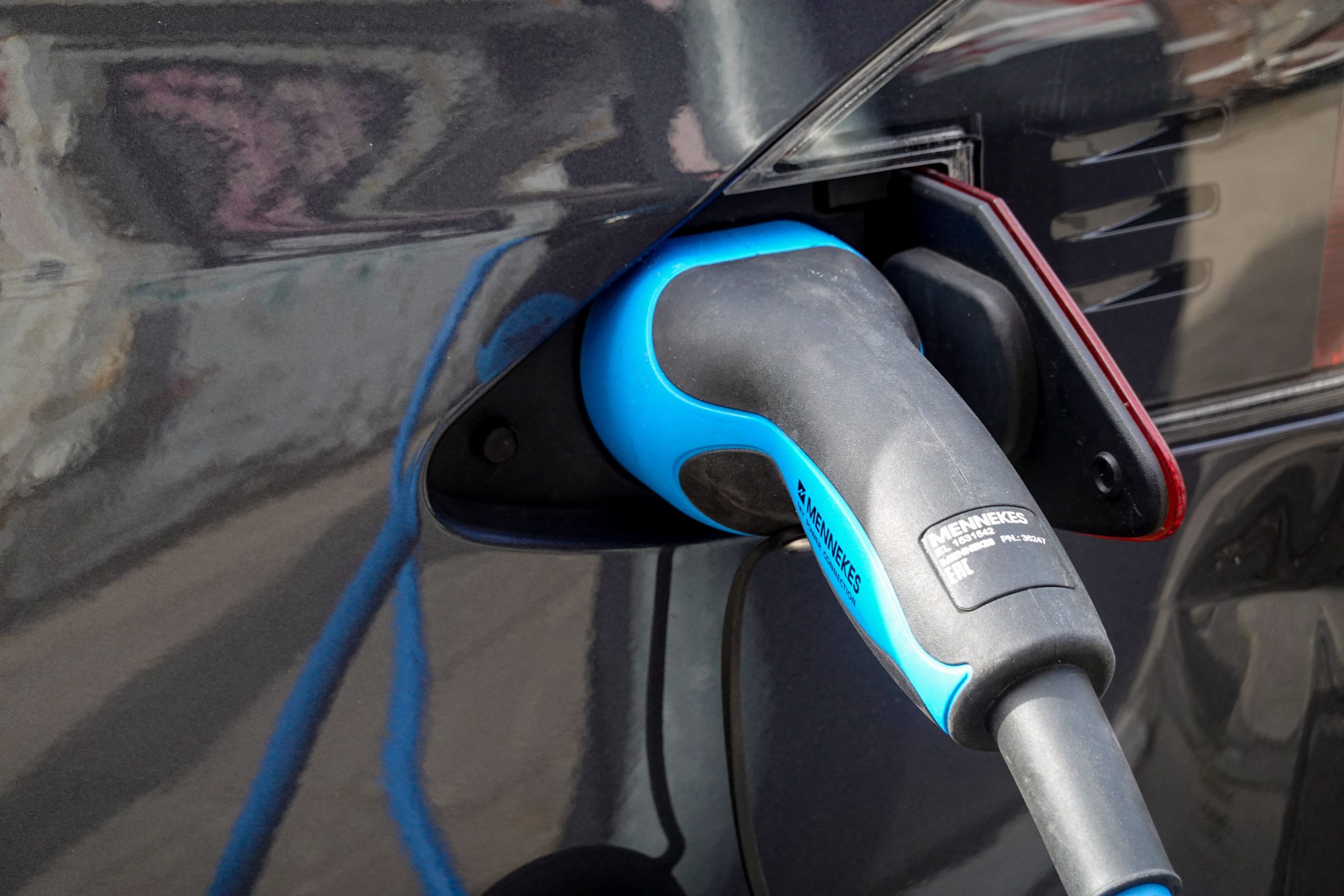
For a truck depot charging during short turnaround windows, equipment decisions must follow the required service and the conditions of the actual site. An electric truck charging station has to transfer substantial energy within a schedule defined by transport operations. The liquid-cooled ultra-fast charging portfolio referenced in Huawei Digital Power’s regional page offers a high-current dispenser and shared DC conversion architecture relevant to suitable heavy-vehicle applications. In this context, electric truck charging station brings together specific components and controls rather than a single isolated device.

Short turnarounds make charger-to-vehicle compatibility and connector placement especially important. Equipment ratings, control policies and the responsibilities of the operating team should therefore be aligned before commissioning. A design assumption should be documented when it cannot yet be confirmed by measurements.
Heavy-vehicle energy delivery
Truck charging calculations start with battery capacity, energy use per route, required reserve and available dwell time. Dividing required energy by the charging window gives a useful average-power target, but the vehicle charging curve determines how much power is actually accepted.
Central DC power units can be positioned away from truck lanes while dispensers stand near parking positions. The arrangement requires careful cable reach and truck maneuvering allowances because vehicle geometry differs markedly from passenger cars.
Managing a large connection
Several trucks plugging in at once can create a major demand peak. A shared power matrix allows the controller to divide available output among sessions, allocating capacity according to priorities while respecting the transformer and power module limits.
Battery storage could buffer limited periods of high demand, but it must be sized for power, usable energy and repeated duty cycles. Storage does not remove the need to verify the site’s continuous import capacity and peak demand profile.
Connectors, cooling and safety
High-current charging puts heat into contacts, cables and power electronics. Liquid circulation can manage cable temperature, but the cooling loop requires flow monitoring, connector inspection and qualified maintenance procedures.
A truck must be positioned so its connector can be reached without obstructing routes or loading equipment. Bay length, bend radius, cable suspension and accessibility are engineering considerations rather than cosmetic site details.
From trial deployment to operation
Operators should monitor session completion, unplanned downtime, thermal alarms and power-module health. Trends help distinguish a vehicle-specific limitation from insufficient site capacity or a deteriorating cable assembly.
Future expansion can reserve room for more conversion modules, electrical switchgear and parking stands. The utility approval, cooling provisions and control policy must be revisited as the number of heavy vehicles increases.
These considerations show why electric truck charging station should be specified by its architecture, operating limits and interfaces. Heavy-duty charging is an integrated transport and electrical project. Its design should be judged by how reliably trucks receive the energy required by their routes, within site power constraints and safe operating conditions. The final selection still depends on applicable standards, actual site conditions and model-specific documentation.