Commercial EV Charging Stations for Sale: Cost and Upkeep
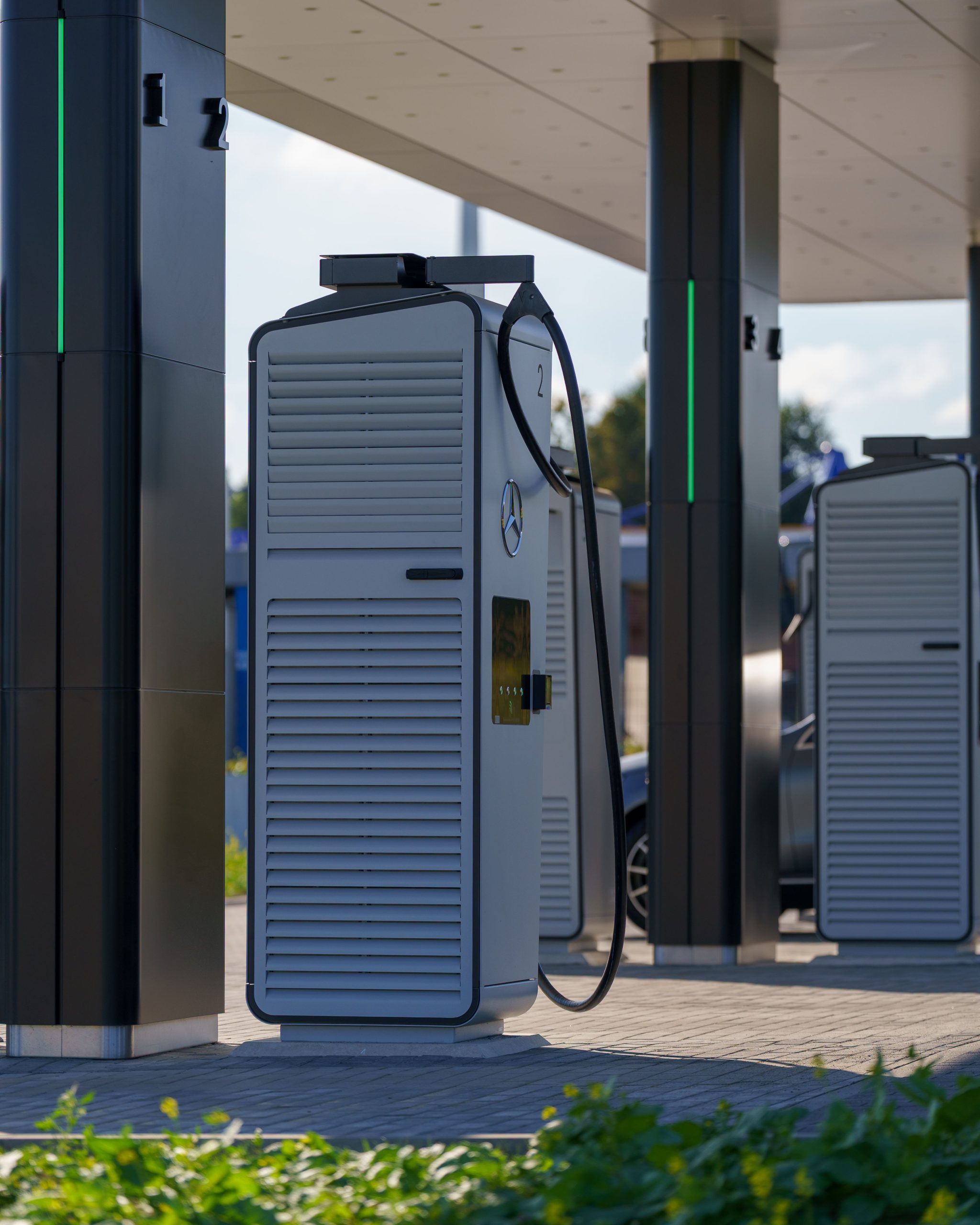
For a buyer comparing commercially deployable charging equipment and service obligations, site owners, charge point operators, drivers and electrical contractors need to identify how power, data and controls work together. That review should cover compatibility, communications and acceptance testing, because the ultimate objective involves driver experience, site utilization, grid costs and reliable charging service. Infrastructure planning becomes easier when each proposed function is connected to an owner, a measurement and a realistic operating scenario. A good plan links these practical questions to tests, documented responsibilities and realistic site conditions.

Site compatibility
Cabinet dimensions, cooling, cable reach and accessibility must fit the physical layout. An independent operational check can show whether the plan reflects everyday use rather than an idealized demonstration.
Consider future upgrades
Battery storage or photovoltaic generation may become attractive as site activity changes. Reserve sensible space and electrical options without overstating the economics of additions.
Approval and testing
Local certifications, electrical protection and site acceptance checks need explicit evidence. Any related promise should be linked to a documented test method and to the operating conditions for which it applies.
Plan the physical layout
Vehicle turning paths, cable reach, accessibility, shelter and safe pedestrian routes affect whether bays are usable. A technically capable charger can still deliver a poor visit if the site is awkward.
When comparing an integration approach, review commercial ev charging stations for sale with the proposed control architecture and acceptance criteria. Check that responsibility for each interface is explicit.
Software fit
Payment integration, authentication, remote diagnostics and data export should be demonstrated. The owner can ask the designer to identify the measurement that would confirm this expectation after the system is commissioned.
Upgrade path
Expansion options and spare electrical capacity should be documented, not assumed from marketing terms. An independent operational check can show whether the plan reflects everyday use rather than an idealized demonstration.
Duty and utilization
The charger should suit actual daily usage and simultaneous bay demand rather than a headline maximum. If later expansion is likely, the project should document both the technical interface and any new approval that could be needed.
For systems that need to exchange data or power, compare commercial ev charging stations for sale with the agreed integration map and obtain confirmation of relevant interfaces.
Warranty and support
Spare parts, response times and service boundaries are essential terms in a commercial purchase. Before approving equipment, ask for a drawing or operating scenario that demonstrates the stated function under local conditions.
For commercial ev charging stations for sale, the decisive question is whether the specified functions can be supported by site evidence, safe procedures and an accountable operating model. Each requirement should be reviewed against the actual project, not assumed to apply everywhere.
Confirm the interfaces
The final integrated test should trace critical commands and measurements across the responsible systems. Unclear interface ownership is easier to repair before normal operations begin.