How nitrogen gas suppliers support the food packaging industry
Pick up a bag of chips at any supermarket and squeeze it. It pushes back. The minor resistance you experience is not bad packaging. It is nitrogen gas, and it is serving a role more important than many realise. Food processing companies always battle against the challenge of keeping their food still edible after it leaves the plant. Nitrogen became one of the better tools in the fight against this. It does not react to food. Not affect taste, smell, or colour. It stays only by being unmoving, replacing oxygen, which would otherwise cause trouble. And the reliable nitrogen gas suppliers who deliver it reliably to packaging lines don’t get much attention, but they should.
The role of nitrogen in food packaging
The main application is modified atmosphere packaging, or MAP. Before a package is sealed, the air inside is replaced with nitrogen. That swap matters because oxygen is what causes most of the damage — it oxidises fats, discolours fresh produce, and speeds up bacterial growth. Take the oxygen out, and all of that slows down.
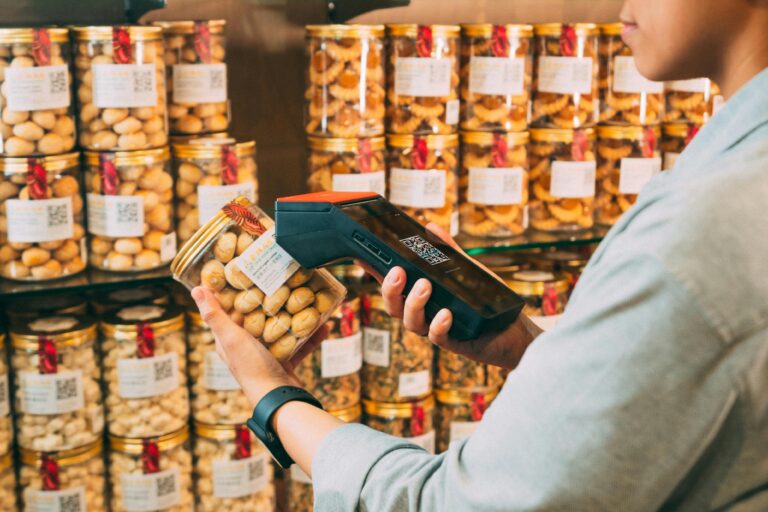
For this reason, snack foods, roasted nuts, ground coffee, and baked goods are sent in nitrogen-flushed packages. There is a physical benefit, too: gas creates internal pressure, protecting fragile objects during transport. A bag of chips that is still intact after the delivery truck journey is because of chemistry and some cushioning.
Purity and quality standards
Food-grade nitrogen isn’t just “regular” nitrogen. It has to be clean, free of residual oxygen, moisture, and particulates that could compromise a product or flag a safety audit. A contamination level that’s acceptable in a welding application is not acceptable in food packaging.
Suppliers serving the food industry produce nitrogen via cryogenic distillation or pressure swing adsorption, both of which meet high-purity thresholds. They test every batch and issue certificates of analysis that manufacturers keep on file. When a food safety inspector asks what went into the packaging process, that paperwork needs to exist and be clean.
Supporting modified atmosphere packaging
MAP isn’t a standard recipe. Fresh red meat needs a different gas mix than hard cheese. Salad leaves need something different again. Nitrogen is almost always part of the formula, but the proportions shift depending on what’s being packaged, how long it needs to last, and how it will be stored.
This is where supplier relationships go beyond logistics. A good nitrogen supplier doesn’t just drop off cylinders; they help manufacturers figure out the right gas flow rates for each product line, advise when those lines change, and troubleshoot when something isn’t working. That technical input is part of what they’re actually selling.
Shelf life extension
The commercial case for nitrogen packaging is straightforward. Slow down oxidation and bacterial growth, and a product that might stay fresh for a week without gas flushing can last several weeks or months with it.
For manufacturers, that extra time has real value. It means more room to move product through distribution channels before it has to be discounted or pulled. For store owners, this reduces shrinkage. To shoppers, it is when a bag of nuts is bought on Tuesday and still tastes as it should when opened on Saturday after two weeks. People do not tend to think about these kinds of events, but they occur each time they take something from a shelf.
Food waste
Spoilage during storage and transit accounts for a significant chunk of total food loss, and most of that loss happens before a product ever reaches a consumer. Nitrogen packaging directly cuts into those numbers.
Sustainability is often hidden beneath discussions of plastics and single-use items; that is accurate, but it doesn’t give the full picture. Making food last longer reduces waste, and for each kilogram not wasted, you save on water, land, and energy that would be used to make a new one. Nitrogen vendors are not usually included in this sustainability topic; however, their input is actual and can be measured.
Reliable supply and distribution
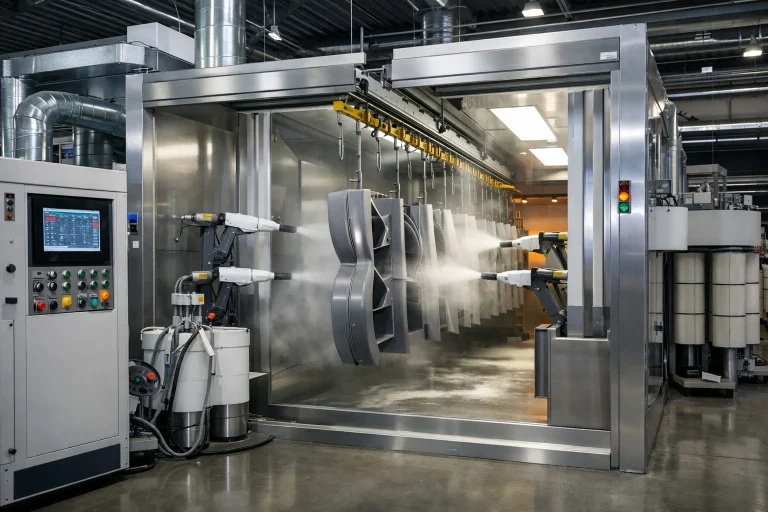
Packaging lines can’t sit idle waiting for a gas delivery. Suppliers manage this through a mix of supply formats: compressed cylinders for smaller operations, bulk liquid tanks for mid-sized facilities, and on-site nitrogen generation systems for high-volume plants that need a continuous, uninterrupted supply.
On-site generation has become more popular because it eliminates the need for deliveries entirely. The generator takes nitrogen from the air nearby and supplies it continuously. Suppliers usually set up and maintain these systems, so the relationship shifts from vendor to more of an infrastructure supplier.
Food safety and compliance
Food manufacturers work under regulatory frameworks that cover everything that touches their product, including the gas used to flush their packaging. Nitrogen suppliers provide the documentation that enables compliance: batch records, purity certificates, and chain-of-custody records for audits.
This is administrative work, but it’s not trivial. A manufacturer that can’t account for its inputs doesn’t pass an audit. The paperwork that suppliers provide is part of what keeps that process clean.
Packaging innovation
The latest packaging methods, active and smart types that monitor conditions within the package or adjust the gas mixture over time, rely on precise, constant gas settings. As the system moves test samples towards commercial production lines, nitrogen supply companies are integrated into the process with equipment builders and food manufacturers to verify that the gas part of the equation actually works.
The food packaging sector is moving towards longer shelf life through advanced preservation techniques. Nitrogen remains the main focus in that area, which means those providers behind it remain important.